
Vehicle lifts for service bays and wheel-level work
A bay waiting on a lift is a bay that earns nothing. This family covers clear-floor two-post lifts, scissor lifts in mid-rise and ultrathin heights, and EV battery changing platforms. Configuration follows vehicle weight, workshop ceiling height, floor construction, and whether the work happens under the vehicle or around it.
Models
Every model has its own page with full specifications and description. Select a model to open it.
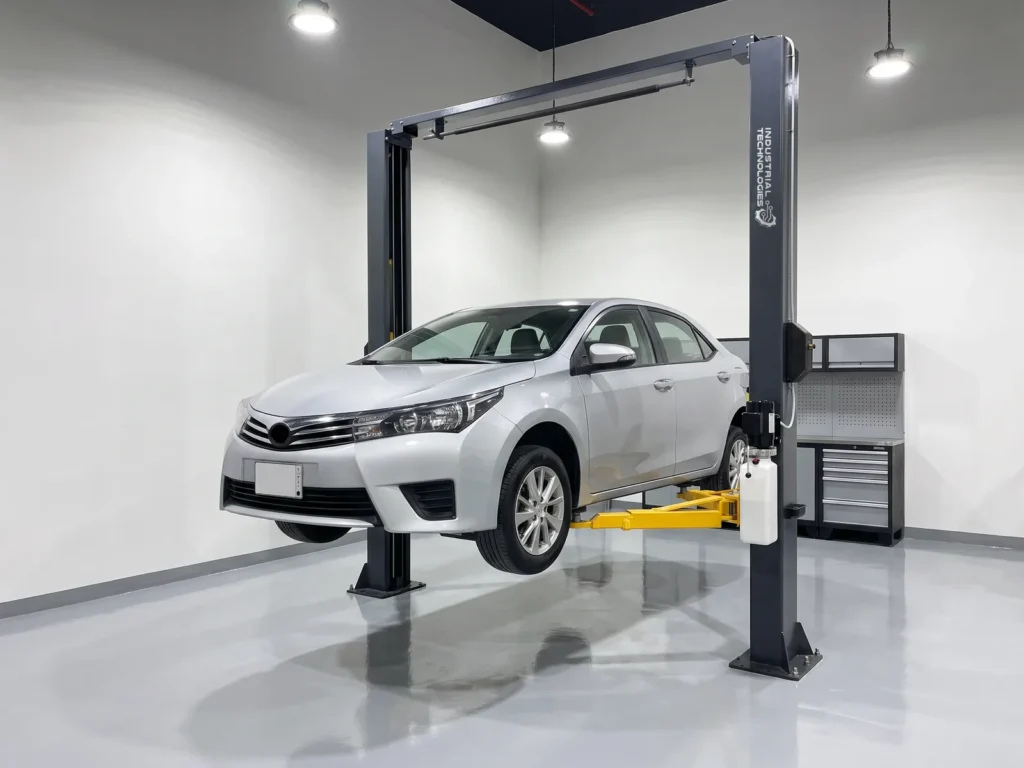
Clear-Floor Two-Post Lift 3700 mm
Product page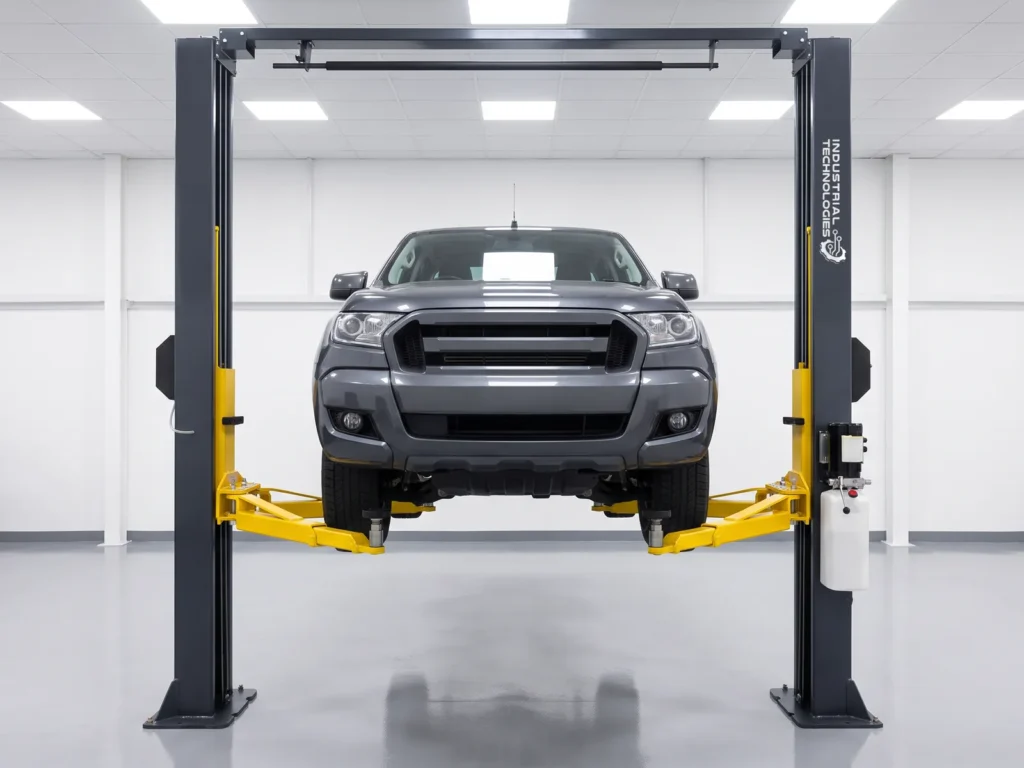
Clear-Floor Two-Post Lift 3900 mm
Product page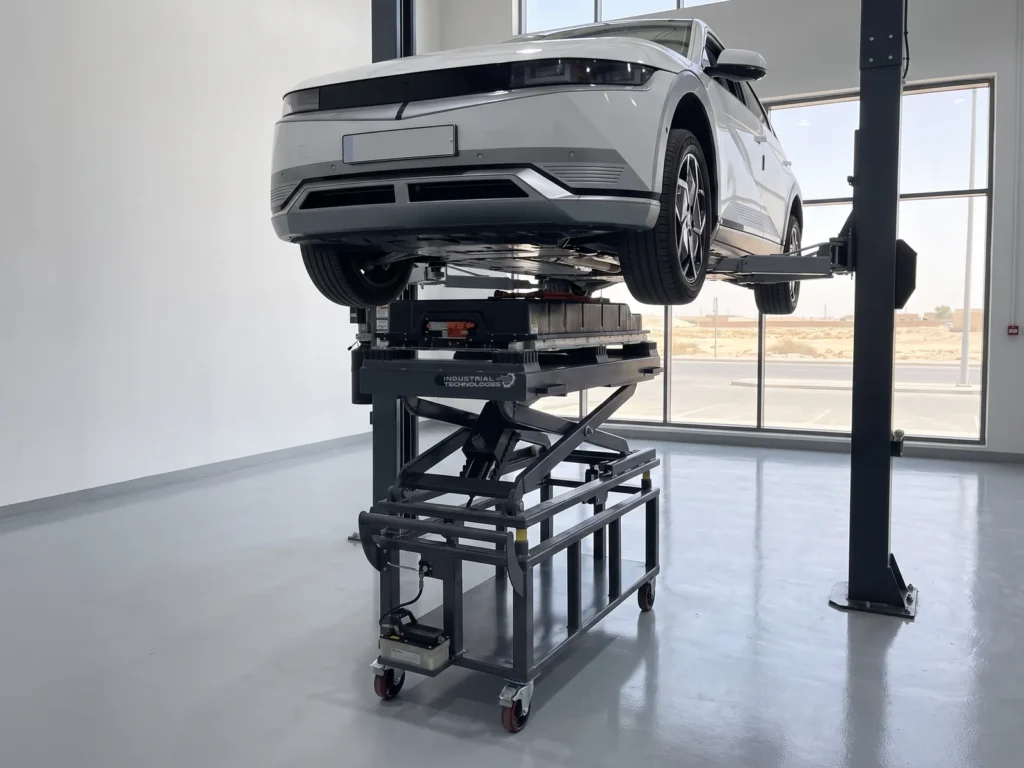
EV Battery Changing Lifting Platform
Product page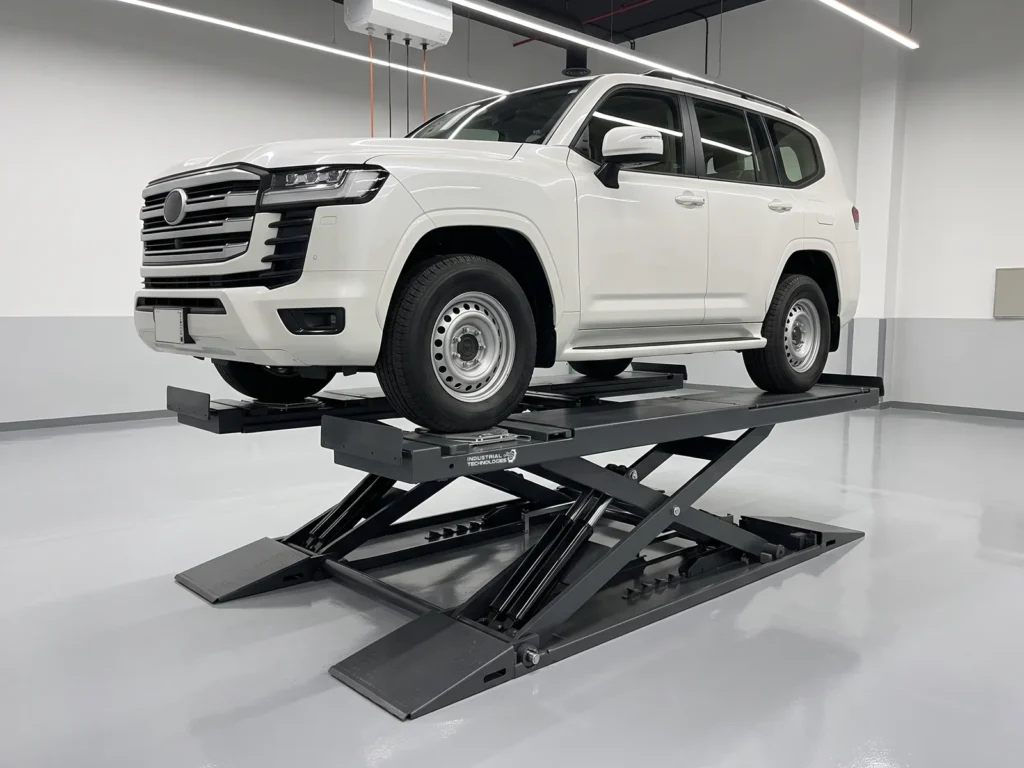
Mid-Rise Movable Scissor Lift 4000 kg
Product page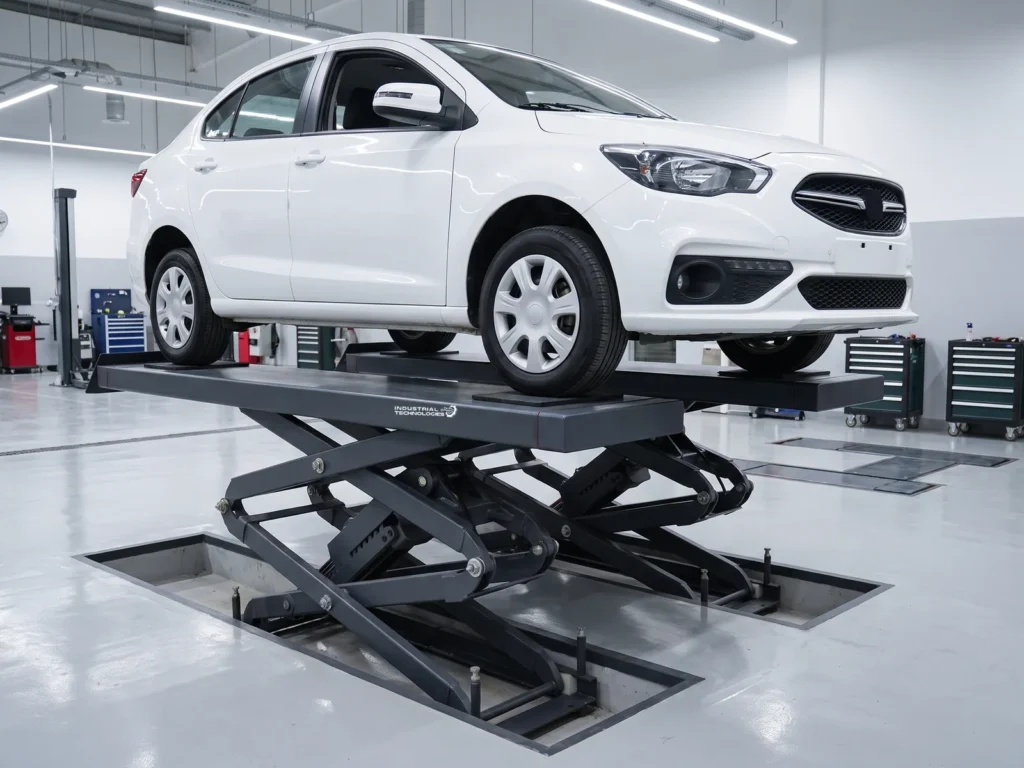
Small-Platform Scissor Lift 4000 kg
Product page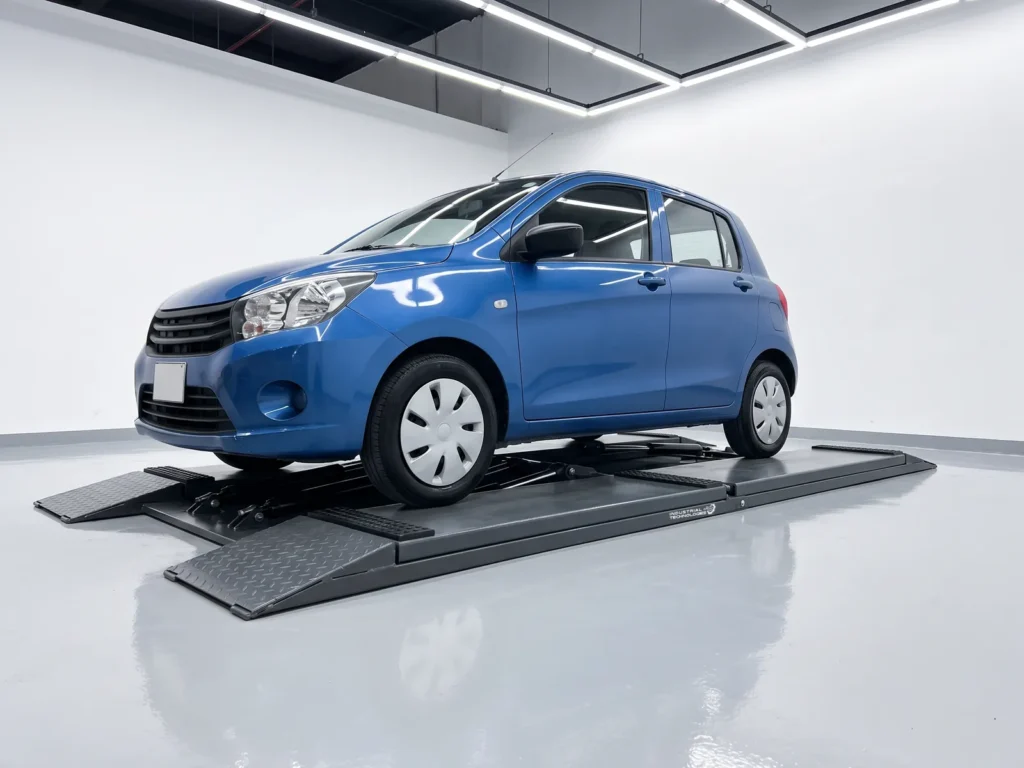
Ultrathin Mid-Rise Scissor Lift 4000 kg
Product page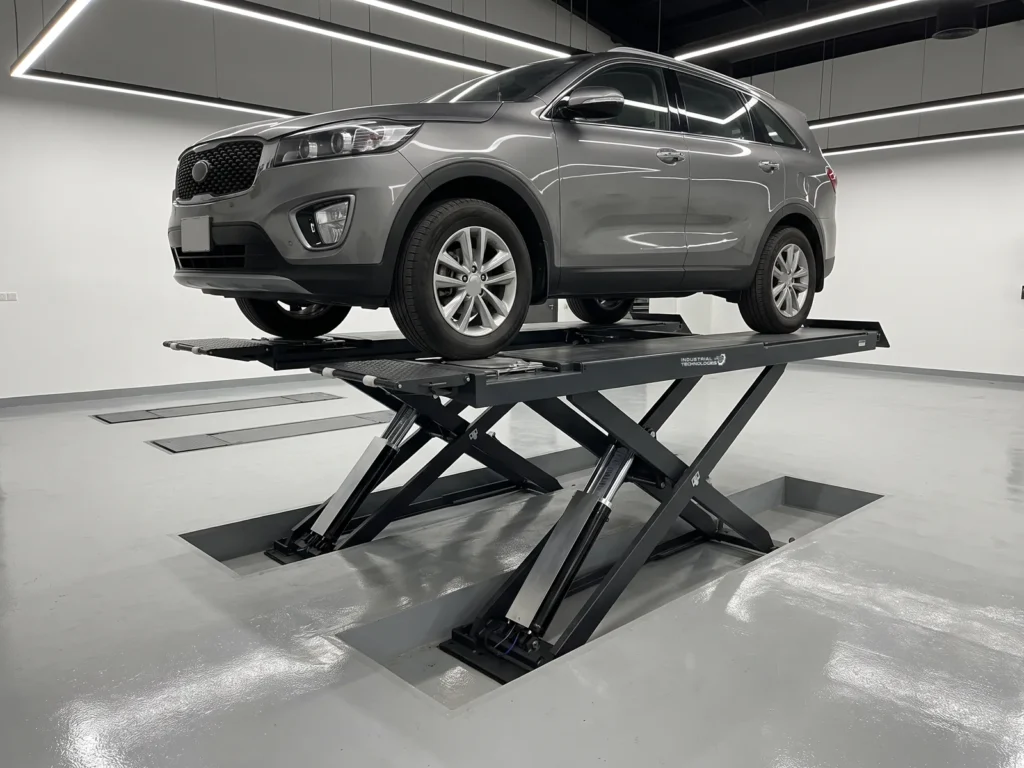
Ultrathin Small-Platform Scissor Lift 4000 kg
Product page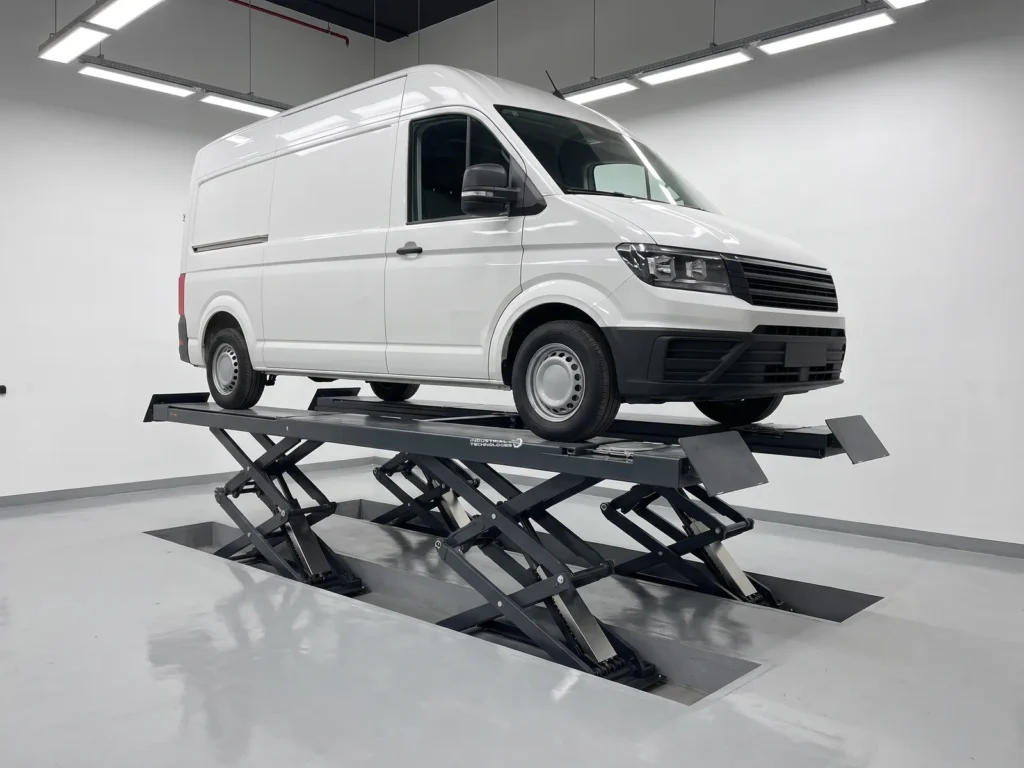
Ultrathin Small-Platform Scissor Lift 4500 kg
Product pageIndustries served
Each industry configures the lift differently. The table below states what actually changes from one to the next.
| Industry | What changes in configuration |
|---|---|
| Automotive Repair | Clear-floor two-post lift (SHL-2-245L) rated at 4500 kg, rising in 50 s and lowering in 30 s, for daily service bays |
| Collision Repair | Movable mid-rise scissor lift (SHL-Y-J-DW4.0A) mounted on the floor surface with no pit, easing work on damaged bodies |
| Auto Dealers | A lift mix: 4500 kg two-post lifts for express service and 4000 kg scissor lifts for mid-height work |
| Auto Fleet | Lifts rated 4000–4500 kg; the two-post model rises in 50 s and lowers in 30 s to keep pace with scheduled maintenance |
| Fuel Stations | Ultrathin scissor lift (SHL-Y-J-DW4.0B) with a 600 mm lift height for wheel work and quick checks at the station |
| Car Rental | A two-post lift rising in 50 s and lowering in 30 s, shortening each vehicle’s turnaround between rentals |
| Education & Training | A two-post lift with ratchet locks (SHL-2-245L) and a scissor lift with a 24 V safety circuit and overload protection (SHL-Y-J-DW4.0B), for a bay used by many trainees |
Configuration range and installation requirements
Choosing a lift starts with four questions: what is the heaviest vehicle you will raise? What is the workshop ceiling height? What is the floor made of? And what work happens under the vehicle or around it?
Start with the heaviest vehicle
Lifting capacity across the family runs from 1200 to 4500 kg. The lower end is the battery changing platform; the upper end is the two-post lifts and the heavier small-platform scissor lift.
Lift height and ceiling height
Lift height ranges from 600 to 1999 mm. The bay needs clear height for the raised vehicle, not for the lift alone.
Floor and mounting method
Some models mount on the surface with no excavation — minimum surface mount is 125 mm — and ultrathin models sit at a closed height of 110 to 135 mm on the existing floor. Floor thickness and strength are assessed before anchoring.
Electrical supply
Scissor lifts and the battery platform run on 220 V single phase at 60 Hz; two-post lifts run on 380 V or 220 V. Motor power ranges from 2.2 to 3 kW.
Locking and safety systems
Locking differs by model: mechanical ratchet locks, automatic mechanical locking with pneumatic release, and a 24 V safety circuit. Some models require compressed air between 0.4 and 0.6 MPa.
Work under the vehicle or around it
Clear-floor two-post lifts leave the underside fully accessible. The ultrathin model at 600 mm is built for wheel-level work around the vehicle rather than work underneath it.
Site requirements
A suitable concrete floor and an electrical supply matching the lift voltage
Installation and commissioning time is set after a site survey
Frequently asked questions about this family
What is the highest lifting capacity in this family?
4500 kg — the capacity of the clear-floor two-post lifts and of the heavier ultrathin small-platform scissor lift. The remaining scissor models are rated at 4000 kg.
Do I need to excavate the workshop floor?
Not necessarily. The family includes a movable model that mounts on the surface at a minimum of 125 mm, and ultrathin models with a closed height of 110 to 135 mm that work on the existing floor.
What electrical supply is required?
Scissor lifts and the battery changing platform run on 220 V single phase at 60 Hz. Two-post lifts run on 380 V or 220 V.
Is there a lift for electric vehicles?
Yes — an EV battery changing platform rated at 1200 kg with a lift height of 1800 mm, a 1350×790 mm platform, double-level X arms, and trailer mobility.
What is the difference between a two-post lift and a scissor lift?
A two-post lift raises the vehicle by its lift points on arms and leaves the underside completely open. A scissor lift raises from a platform beneath the vehicle, sits lower, and occupies less floor area; its ultrathin models reach a lift height of 600 mm for wheel-level work.
How long does the lift take to rise and descend?
On the documented two-post lifts: 50 seconds to rise and 30 seconds to descend.
Equipping service bays or raising their capacity?
Send us the number of bays, the heaviest vehicle they take, the workshop ceiling height, and the floor construction, and we will recommend the model and configuration.